Business Details
35 Years
experience
Your Trusted Lawn Care Experts in Southeast Michigan
Since 1991, Back to Nature Lawn Care has been a leading provider of innovative lawn care solutions in Southeastern Michigan. Headquartered in Milan with a second location in Brownstown, we combine big-company efficiency with personalized small-business service. Our team of licensed professionals delivers customized programs for fertilization, weed control, aeration, pest management, and tree/shrub care, using eco-friendly products tailored to Michigan's unique climate.With over 30 years of experience and a commitment to community involvement, we prioritize sustainable practices that enhance lawn health while protecting families, pets, and the environment. Our 4.8/5 Google rating reflects our dedication to responsive service, transparent pricing, and guaranteed results through advanced techniques like liquid aeration and soil pH balancing.
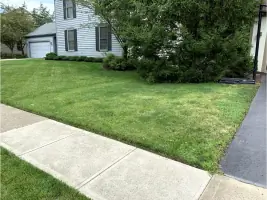
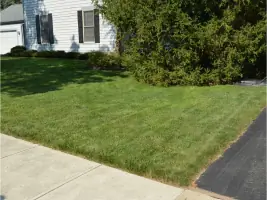
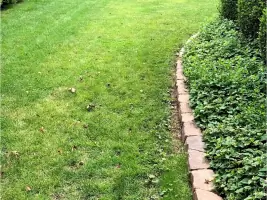
Services
Aeration & Seeding
Fertilization & Weed Control
Pest Control
Tree & Shrub Service
Soil Amendment
Details
- Year established: 1991
Highlights and features
- No-contract service with flexible scheduling options
- Eco-friendly and pet-safe treatment solutions available
- Locally owned with specialized knowledge of Michigan lawns
- Organic fertilization programs for sustainable lawn health
- Responsive team with 24/7 sales representative availability
What people say
Staff is friendly, professional, and timely
Lawn looks better than ever
Great customer service
Regular care improves lawn quality
Effective communication system
Services
Lawn Fertilization
Our customized fertilization programs address Michigan's challenging soil conditions through 6-12 seasonal treatments. Using phosphorus-free formulas and organic options, we enhance nutrient uptake, improve drought resistance, and promote thick, green turf while protecting local waterways. Soil analysis identifies specific deficiencies for targeted treatment.
Core Aeration
Mechanical core aeration relieves soil compaction by creating pathways for air, water, and nutrients. This fall-preferred service reduces thatch buildup, encourages deeper root growth, and improves fertilizer efficiency. Ideal for lawns showing sponginess, water runoff, or thinning grass.
Pest Control
Our perimeter pest control targets ants, spiders, and beetles with five seasonal applications. The program includes surface-feeding insect treatment for chinch bugs and armyworms, plus season-long grub control that protects turf without harming pollinators like bees and earthworms.
Tree & Shrub Care
Comprehensive tree and shrub services include dormant oil applications for pest prevention, deep-root fertilization twice yearly, and targeted treatments for diseases like needle cast. Wedgle injections deliver nutrients directly to tree vascular systems without damaging bark.
Soil Amendment
Professional soil testing identifies pH imbalances that prevent nutrient absorption. We apply lime to neutralize acidic soils or sulfur to reduce alkalinity, creating optimal conditions for fertilizer effectiveness. This foundational treatment strengthens lawns against environmental stressors.
Questions
How often should I water my lawn?
Clay soil requires daily 15-minute watering in summer, while sandy loam needs twice-daily sessions. Newly seeded areas need three daily 15-minute sessions for 21 days.
What causes crabgrass breakthrough?
Crabgrass emerges where preemergent barriers are broken by mowing too short, thin grass, or soil cracks. Proper mowing height (3.5-4 inches) maintains barrier effectiveness.
How do I identify lawn fungus?
Look for inconsistent coloring, brown/yellow grass blade lesions, or rusty residue on shoes/mower blades indicating fungal infection.
When should I aerate my lawn?
Mechanical core aeration works best in fall for cool-season grasses. Liquid aeration can be done anytime during the growing season with less disruption.
What are common signs of insect damage?
Watch for patchy browning, inconsistent turf coloring, and animal digging activity caused by grubs or surface-feeding insects.
How do soil pH levels affect my lawn?
Improper pH (below 5.5 or above 7.0) locks up nutrients. Our soil testing identifies imbalances that prevent fertilizer effectiveness and weaken grass growth.