Business Details
Therapeutic Garden Design Experts in Medford, NJ
Design For Generations is a landscape architecture firm dedicated to creating therapeutic outdoor environments that foster interaction between people and nature. With over two decades of experience, our founder Jack Carman, a Fellow of the American Society of Landscape Architects, has pioneered the design of therapeutic gardens for senior living communities, healthcare facilities, and public spaces. Our approach integrates evidence-based design principles to address the physical, psychological, social, and spiritual needs of users, ensuring each garden harmonizes with natural elements to enhance quality of life. We specialize in consultation, site analysis, conceptual design, and evaluation services, working collaboratively with clients to revitalize existing gardens or develop new spaces tailored to specific user requirements.Our expertise extends to Alzheimers gardens, rehabilitation gardens, and meditation spaces, supported by a deep understanding of accessibility standards and horticultural therapy. Through public presentations and educational programs, we advocate for the integration of nature into urban and residential settings to promote wellness across all age groups. Our commitment to innovation is reflected in our partnerships with healthcare institutions and senior living communities nationwide, where our designs have demonstrably improved patient outcomes and resident engagement. Recognized for our contributions to the field, we continue to shape industry standards through professional leadership roles and ongoing research into the restorative power of designed landscapes.
Services
Therapeutic Garden Design
Alzheimers Garden Consultation
Site Analysis
Horticultural Therapy Programs
Accessible Landscape Design
Highlights and features
- We offer 20+ years of specialized expertise in therapeutic garden design.
- Our collaborative approach integrates healthcare professionals and end-users in the design process.
- We implement evidence-based design principles validated by peer-reviewed research.
- Our team holds professional licenses in six states and maintains ASLA fellowship status.
- We provide comprehensive lifecycle services from initial consultation to post-occupancy evaluation.
Associations and certifications
- American Society of Landscape Architects (ASLA)
What people say
Lovely outdoor area
Nurturing environment
Marketable asset
Exceeded expectations
Positive emotions
Services
Therapeutic Garden Design
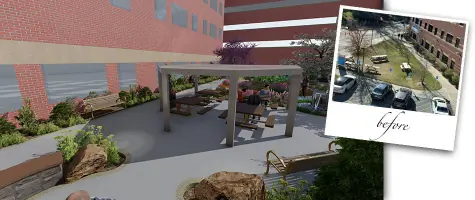
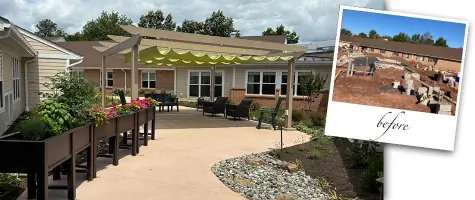
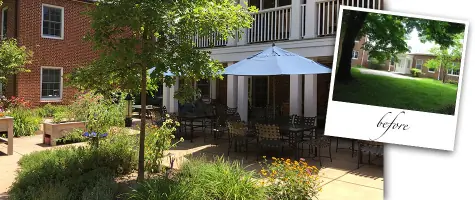
Our therapeutic garden designs create purposeful outdoor environments that address specific physical, cognitive, and emotional needs. By incorporating sensory-stimulating elements, accessible pathways, and evidence-based design principles, we develop spaces that reduce stress, encourage social interaction, and support rehabilitation processes for seniors and healthcare patients.
Alzheimers Garden Consultation
Specialized garden solutions for dementia care facilities feature secure, navigable layouts with familiar homelike elements. Our designs incorporate memory-triggering plants, non-toxic vegetation, and circular pathways to create calming environments that reduce agitation while promoting safe exploration and reminiscence therapy opportunities for Alzheimer's patients.
Site Analysis
Comprehensive site evaluations examine topography, vegetation, and existing infrastructure to inform optimal garden placement. We analyze sun patterns, drainage, and accessibility while considering client goals and user demographics to create functional designs that maximize natural assets and address site-specific challenges.
Horticultural Therapy Programs
We develop structured gardening activities that improve physical mobility and cognitive function through hands-on engagement. Our programs train staff to facilitate therapeutic interactions with plants, incorporating seasonal planting cycles and sensory garden elements to create meaningful experiences for participants across care settings.
Accessible Landscape Design
Inclusive outdoor spaces comply with ADA standards while exceeding basic accessibility requirements. We design multi-sensory environments with textured pathways, raised planting beds, and adaptive seating to ensure usability for individuals with mobility impairments, visual limitations, and other accessibility needs in senior living and public spaces.
People
Jack Carman
Founder & President
Jack Carman, FASLA, has over 20 years of experience in therapeutic landscape design. Licensed in six states, he serves as Fellow of the American Society of Landscape Architects and former Trustee of ASLA. His work focuses on senior living environments and healthcare gardens, combining evidence-based design with practical horticultural knowledge to create restorative outdoor spaces.
Questions
What defines a therapeutic garden?
Therapeutic gardens are specifically designed to meet physical, psychological, and social needs through evidence-based design elements that improve wellness outcomes for targeted user groups.
How do you maintain therapeutic gardens?
Maintenance combines seasonal horticultural care with safety inspections, including plant pruning, pathway maintenance, and regular evaluation of therapeutic program effectiveness.
Can existing gardens be adapted?
Yes, we conduct professional evaluations to identify improvements that enhance accessibility, safety, and therapeutic functionality while maximizing existing site assets.
What spaces benefit most?
Senior living communities, healthcare facilities, and rehabilitation centers achieve greatest impact through purpose-designed outdoor environments that support treatment goals and resident engagement.
How are gardens evaluated?
We use observational studies, user interviews, and usage pattern analysis to assess garden effectiveness and identify opportunities for improvement.
What design elements matter most?
Key elements include accessible pathways, sensory-stimulating plants, secure boundaries, comfortable seating areas, and purposeful spatial organization that supports intended therapeutic activities.